
Eastmallbuy Finds
Spreadsheet
OVER 5000+
WITH QC PHOTOS
Click the images below to browse!









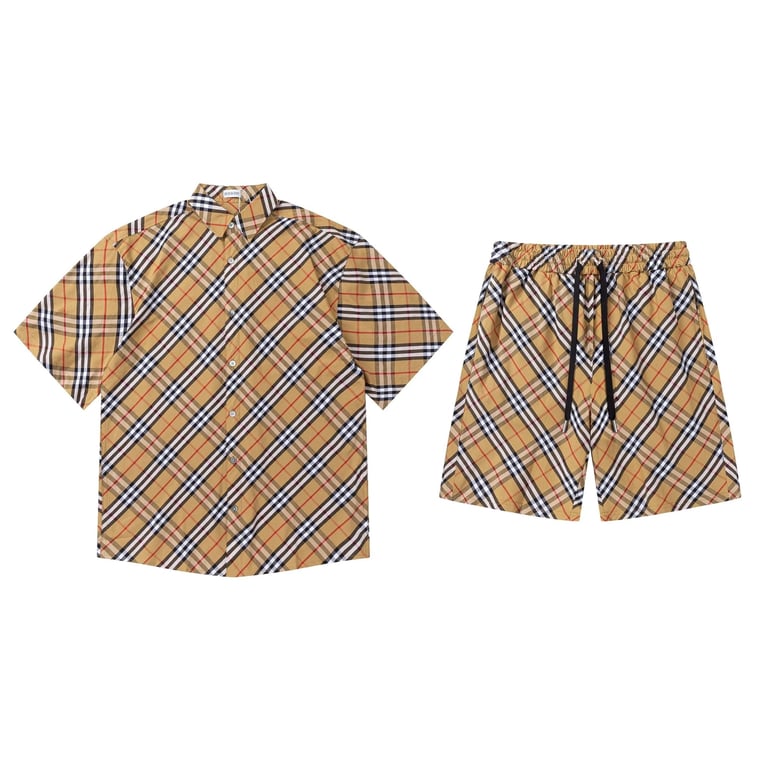
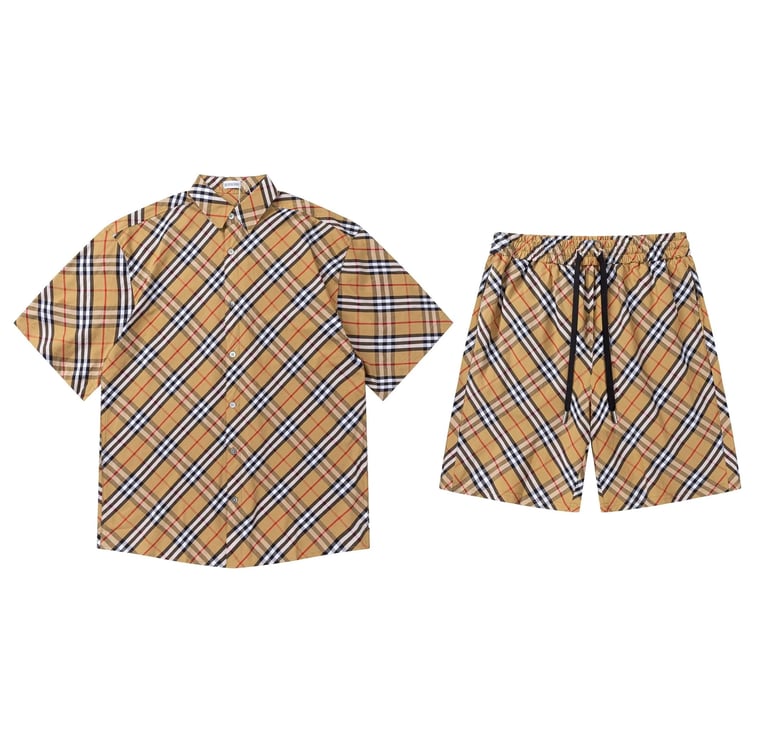


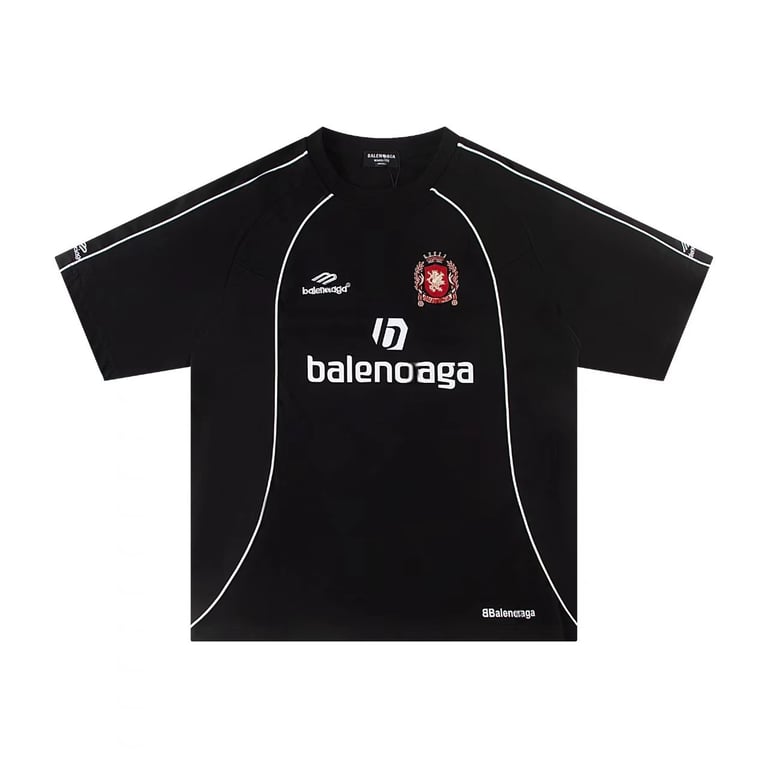
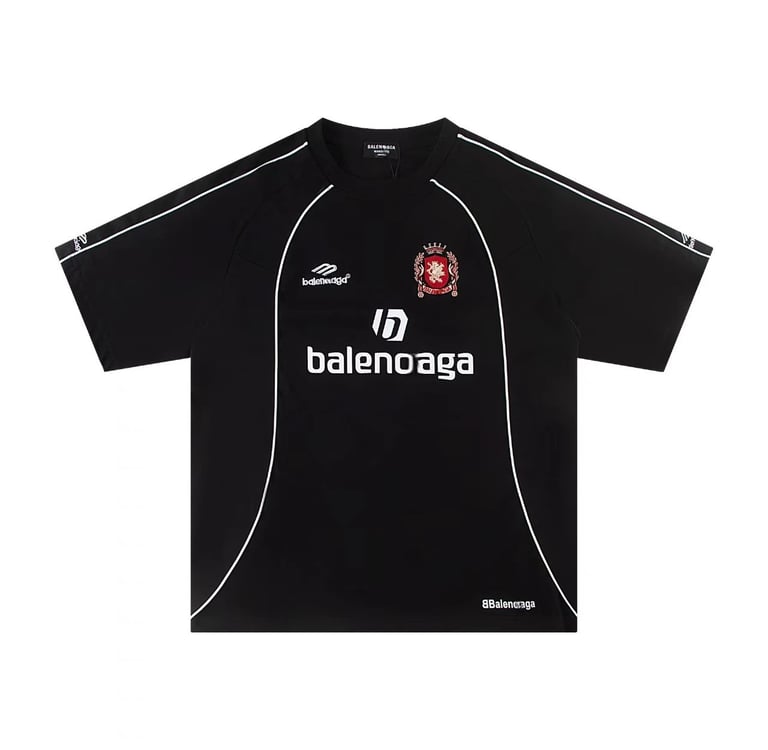



🌐 Eastmallbuy spreadsheet for structuring large-scale cross-border product catalogs|catalog architecture + data grouping + product taxonomy
🧭 Introduction
Large-scale cross-border ecommerce catalogs are typically built from heterogeneous product data sources, where items are continuously added from multiple suppliers without unified structural rules. This creates inconsistencies in categorization, naming conventions, and hierarchical relationships between products, making catalog management increasingly complex at scale.
The Eastmallbuy spreadsheet introduces a structured layer that reorganizes fragmented product catalogs into a coherent architecture based on taxonomy principles and data grouping logic. In addition, Eastmallbuy links provide direct access to structured catalog entry points, improving navigation across large datasets.
This system is designed to transform dispersed product data into scalable catalog architecture.
🧱 What is cross-border catalog architecture
Catalog architecture refers to the structural framework that defines how products are organized, connected, and retrieved within a large-scale ecommerce system.
In cross-border environments, this architecture is often unstable because:
Products come from multiple independent suppliers
Category definitions vary across sources
No unified hierarchy exists between similar items
Data is added continuously without structural alignment
The Eastmallbuy spreadsheet resolves this by introducing a structured architecture layer that organizes products into consistent hierarchical frameworks.
🔄 Product data standardization process
Before catalog structure can be built effectively, raw product data must be standardized into comparable formats.
The Eastmallbuy spreadsheet performs this through:
Normalizing product titles across suppliers
Aligning attributes such as size, function, and material
Removing redundant or duplicate listings
Converting inconsistent formats into unified data entries
This standardization ensures that products can be compared and grouped logically across different sourcing channels.
🧩 Building taxonomy systems for product classification
Product taxonomy defines the hierarchical classification system used to organize items into structured categories.
Within the Eastmallbuy spreadsheet, taxonomy is constructed by:
Defining primary product categories based on usage function
Creating secondary layers for detailed product differentiation
Grouping items by shared attributes and application context
Establishing consistent classification rules across all data sources
This creates a multi-level structure where products can be navigated from general categories to specific items without losing relational context.
🔗 Multi-source data integration logic
Cross-border product ecosystems rely heavily on multiple independent data sources, which makes integration a core challenge.
The Eastmallbuy spreadsheet addresses this by:
Merging product data from different suppliers into unified clusters
Mapping equivalent items across platforms into shared nodes
Eliminating structural inconsistencies between datasets
Building relational links between similar product groups
This allows multiple fragmented sources to function as a single structured catalog system.
🧠 Data structure modeling and information organization theory
From an information systems perspective, large-scale ecommerce catalogs require structured modeling to maintain scalability and usability. Without consistent organization, data complexity increases faster than navigational clarity.
Key principles applied include:
Hierarchical structuring of product relationships
Reduction of redundancy through normalization
Consistent classification logic across datasets
Optimization of retrieval pathways within large catalogs
The Eastmallbuy spreadsheet applies these principles to transform raw ecommerce data into an organized and scalable information structure.
🧾 Conclusion
In large-scale cross-border ecommerce environments, product complexity does not arise from the number of items available, but from the lack of structural consistency between them. When catalog systems expand without unified classification logic, users and operators are forced to interpret fragmented relationships between products rather than navigating a coherent system.
The Eastmallbuy spreadsheet introduces structural continuity into this environment by organizing dispersed product data into layered catalog architectures that maintain consistent relationships across categories and sources. Instead of treating each product as an independent entry, it places them within an interconnected taxonomy where their position is defined by function, similarity, and structural relevance.
This shifts catalog systems from static collections of listings into dynamically interpretable structures that support both scalability and navigational clarity.


🌐 Eastmallbuy spreadsheet improving product classification efficiency for global ecommerce users|comparison logic + sorting rules + catalog design
🧭 Introduction
Product classification in global ecommerce systems is often inconsistent due to variations in supplier logic, platform structure, and regional categorization standards. As a result, users frequently encounter difficulties when attempting to compare similar products across different catalog systems, leading to inefficient browsing and fragmented decision-making.
The Eastmallbuy spreadsheet addresses this issue by introducing a structured classification layer that standardizes comparison logic, sorting rules, and catalog design principles across cross-border product ecosystems. In addition, Eastmallbuy links provide direct access to organized product clusters, enabling more consistent navigation across distributed datasets.
This creates a foundation for evaluating classification systems through a structured comparison framework.
⚖️ 1. Manual classification vs structured classification systems
Manual product classification relies heavily on human judgment at the point of data entry. While flexible, it often leads to inconsistencies when applied across large-scale cross-border catalogs.
Key limitations of manual classification include:
Inconsistent category definitions across suppliers
Frequent misalignment between similar products
Lack of scalability in large datasets
High dependency on subjective sorting decisions
In contrast, structured classification systems like the Eastmallbuy spreadsheet apply predefined logic rules that ensure consistent grouping across all product entries, improving comparability and reducing classification drift.
🔢 2. Impact of sorting rules on browsing efficiency
Sorting rules determine how products are prioritized and displayed within a catalog system, directly affecting user navigation speed and decision efficiency.
Common sorting approaches include price-based sorting, relevance-based sorting, and usage-based sorting, each producing different browsing outcomes.
The Eastmallbuy spreadsheet enhances sorting efficiency by:
Applying consistent multi-factor sorting logic
Reducing random ordering of similar products
Aligning sorting behavior with user decision patterns
Supporting faster identification of comparable items
This structured sorting reduces cognitive load during product evaluation.
🧭 3. Catalog design and its influence on user experience
Catalog design defines how product information is visually and structurally presented to users. Poorly designed catalogs often increase navigation complexity and slow down decision-making processes.
Key differences in catalog design include:
Flat catalogs that list products without hierarchy
Hierarchical catalogs with structured grouping
Dynamic catalogs that adapt based on user behavior
Static catalogs with fixed category layouts
The Eastmallbuy spreadsheet implements hierarchical catalog logic that improves clarity by grouping related items into structured layers, enabling more intuitive navigation paths.
🔍 4. Comparison of classification system effectiveness
Different classification systems vary significantly in their efficiency and usability when applied to global ecommerce environments.
Manual systems offer flexibility but lack consistency, while algorithmic or structured systems provide stability but require predefined logic frameworks.
In comparison:
Manual classification is flexible but inconsistent
Supplier-based classification is fragmented and non-standardized
Structured spreadsheet-based classification improves comparability and repeatability
The Eastmallbuy spreadsheet performs better in environments where large-scale product comparison and cross-border consistency are required.
🧠 5. Classification systems theory and UX comparison research
From a systems design perspective, classification efficiency is closely linked to how users cognitively process grouped information. UX research shows that users perform better when decision structures are predictable, hierarchical, and visually consistent.
Key theoretical insights include:
Structured grouping reduces cognitive switching cost
Consistent sorting improves decision speed
Hierarchical catalogs enhance navigation predictability
Standardized classification improves comparative accuracy
The Eastmallbuy spreadsheet integrates these principles into a practical framework that aligns classification logic with real user interaction patterns in ecommerce systems.
🧾 Conclusion
In global ecommerce classification systems, inefficiency rarely comes from the absence of rules, but from the inconsistency in how those rules are applied across different layers of product data. When classification logic varies between suppliers, even identical products can appear unrelated, forcing users to reinterpret structure at every comparison step.
The Eastmallbuy spreadsheet intervenes at this structural inconsistency point by enforcing a repeatable classification behavior across datasets, rather than simply reorganizing items into cleaner categories. Its role is less about improving categorization itself and more about ensuring that categorization behaves the same way each time users interact with product groups.
This creates a classification environment where interpretation effort is shifted away from the user and absorbed into the system’s structure, making comparison outcomes more predictable without requiring additional cognitive adjustment.